
AI will kill us all…or not!
AI leaders are calling for a slowdown after warnings about runaway systems. The real issue may be accountability, liability, governance, and market power.

AI leaders are calling for a slowdown after warnings about runaway systems. The real issue may be accountability, liability, governance, and market power.

As ad platforms automate targeting, the campaign brief becomes the strategic control layer connecting audience, creative, ABM, proof, and conversion.

A father, a family dinner table, and the uncomfortable line between useful AI tools, exploited creative work, and human judgment.
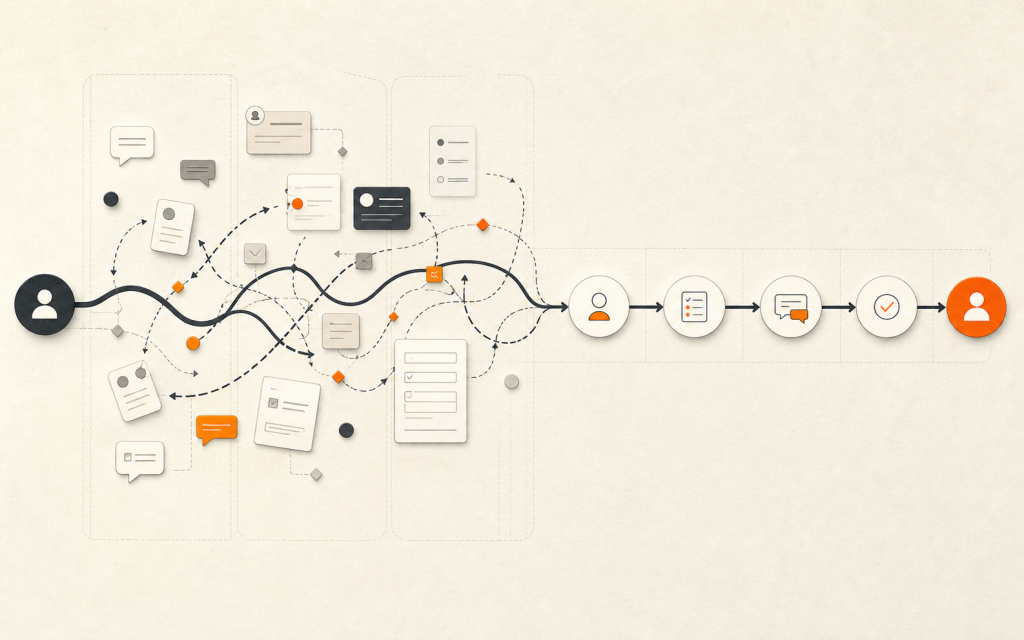
Customer experience often breaks at internal handoffs. Learn how digital systems, UX, content, and ownership reduce friction and build trust.

AI-assisted writing is already normal in resumes, LinkedIn profiles, email, and workplace tools. The real issue is not AI use, but honesty, taste, and responsibility.

AI content disclosure is becoming a legal issue, but mature brands should label AI-assisted content because transparency is part of taste and trust.
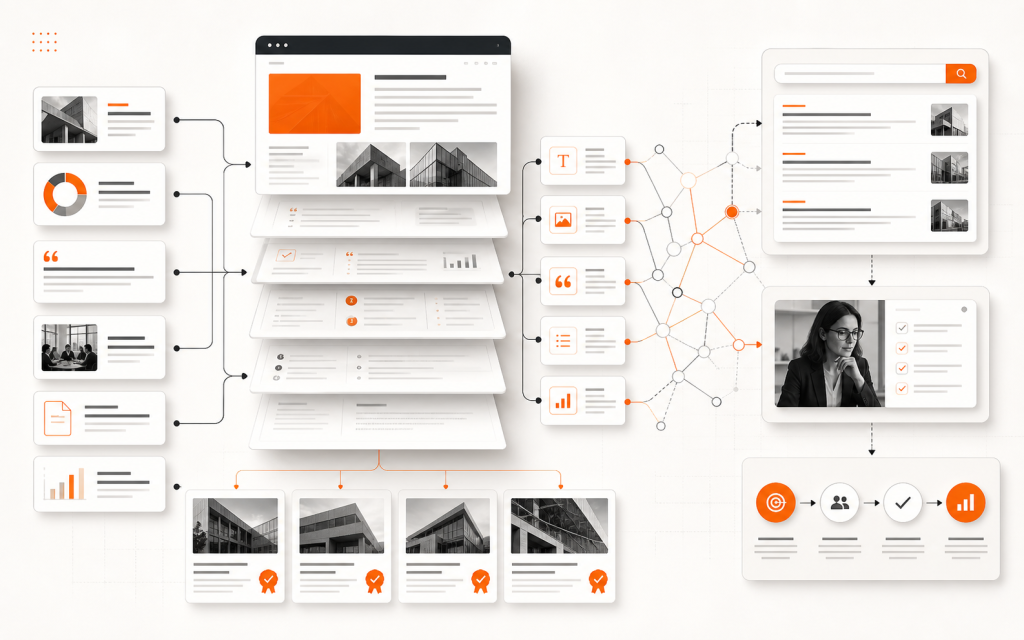
AI search is changing websites from traffic destinations into evidence layers. Learn how brands should structure content, proof, UX, and systems for AI visibility.

AI trust is shaped by the whole operating system around a product: data, incentives, labor, governance, accountability, and human control.

People can value AI while distrusting its deployment. The real questions are who directs the tool, who benefits, and what systems prevent or correct harm.

Software teams are shipping faster with AI, but faster output only becomes business value when testing, review, and operational discipline are already in place.

Companies often mistake visible AI activity for strategy. Here is how competitive panic distorts spending, sequencing, governance, and real business leverage.

A thought-leadership article on the difference between using AI to automate existing output and using it to create new business value, capability, and leverage.

Frontier AI is no longer just a story of breakthroughs. This article maps the market from introduction to growth, maturity, and consolidation so teams can make better strategic decisions about where durable value will remain.

Sustainable AI starts with workflow design, ownership, review points, and human judgment before any tool enters the process.

Scalable AI operations turn opportunity discovery, pilots, governance, and measurement into a repeatable business capability.

Executive presentation systems turn technical ideas into decision-ready stories by connecting narrative, evidence, visuals, and business context.

Choosing between a website redesign and a web app build starts with whether the business needs better communication or a better operating system.

AI-enabled digital systems need clear human control, governance, and workflow design so automation supports judgment instead of replacing it blindly.

Media production for product launches should support sales, education, and trust with 3D, motion, and launch assets that clarify the offer.

AI consulting works best when enterprise teams move from use case discovery to implementation with governance, data reality, and adoption in mind.

AI automation should start with a real workflow problem, clear controls, and human review before teams automate more than they understand.

UX/UI design systems help complex products feel simpler by turning repeated decisions into consistent, usable patterns.

Mobile app development for service and field teams should begin with context, offline needs, task flow, and adoption, not just screens.

Enterprise web app development works better when teams define workflows, roles, permissions, data, and adoption before the first sprint.

A practical method for turning a digital product idea into a scalable system before teams commit budget, tools, and implementation time.